
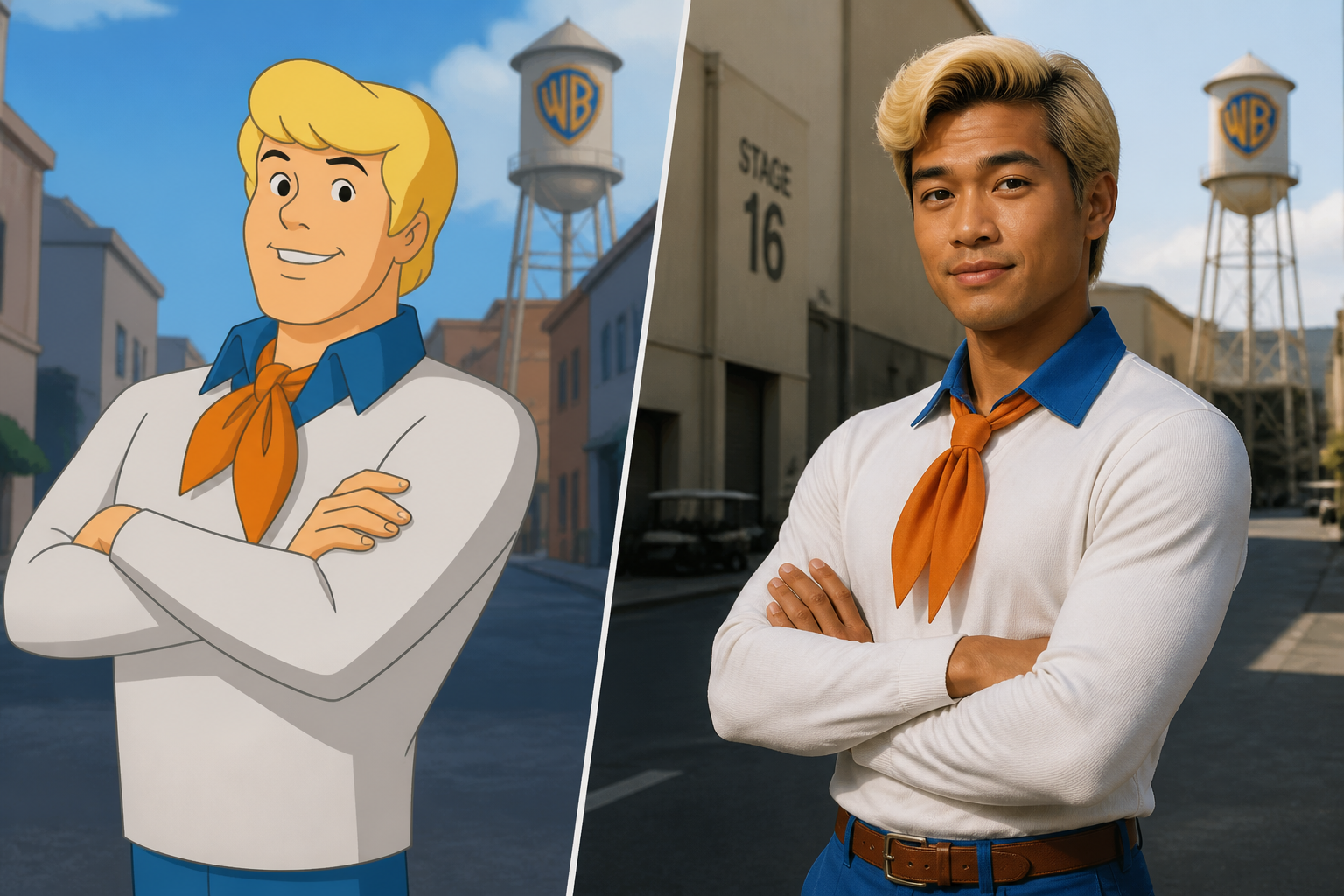
The Illusion of Progress
In recent years, Hollywood has become obsessed with a practice it champions as racial progress: race swapping. From Disney’s live-action remake of The Little Mermaid featuring a Black actress as Ariel to Netflix dramas casting Black actors as historical European figures, the trend is celebrated by progressive activists and media outlets as a victory for representation. But for many of us, this isn't progress. It’s a lazy, patronizing, and ultimately insulting shortcut that avoids the real work of creating authentic, original stories.
The argument from the left is that changing the race of established characters allows Black children to see themselves in beloved stories. On the surface, it sounds noble. But dig a little deeper, and the logic falls apart. This practice sends a subtle but damaging message: that Black actors and stories are not valuable enough to stand on their own. Instead of investing in new Black writers, directors, and creators to build the next generation of iconic characters, studios simply repaint old white ones. It suggests that the only way for a Black actor to play a leading role in a fantasy epic is to take a hand-me-down part from a white predecessor.
A Betrayal of Both Art and Audience
When audiences push back against these decisions, they are immediately smeared as racists. The media creates a simple, dishonest narrative: if you don’t like the new Ariel or a Black Anne Boleyn, you must be a bigot. This deliberately ignores the legitimate criticisms that have nothing to do with prejudice and everything to do with artistic integrity.
Many fans, including countless Black fans, cherish these stories for what they are. They grew up with a specific vision of these characters, and they feel a sense of ownership over the lore. Changing fundamental aspects of a character for political reasons feels like a betrayal of that trust. It prioritizes a DEI checklist over faithful storytelling. It’s not about hating the actor; it’s about hating the cynical, corporate decision-making that uses actors as pawns in a culture war.
This is especially true when it comes to historical figures. Casting a Black actress to play Anne Boleyn, the 16th-century Queen of England, isn't just creative license; it's a distortion of history to fit a modern political agenda. It sacrifices historical accuracy for a fleeting talking point about diversity, treating the past as a prop for present-day ideology.
The Conservative Alternative: Create, Don't Co-Opt
The conservative principle of entrepreneurship and creation offers a far better path forward. Instead of demanding a slice of someone else’s pie, we believe in baking our own. Think about the incredible success of Black Panther. The film didn't succeed because it cast a Black actor as Captain America; it succeeded because it built a new, compelling world with original Black characters rooted in a unique cultural vision. It proved that audiences of all races will flock to see powerful stories that stand on their own merit.
Why isn't Hollywood investing more in the next Black Panther? Why aren't they seeking out the next Jordan Peele or Tyler Perry, who built an empire by creating original content for a Black audience that was being ignored by the mainstream? The answer is that race swapping is easier. It requires no imagination. A studio can take a known property, change the lead’s race, and collect plaudits for its “bravery” from the activist media, all while avoiding the risk of launching a truly original idea.
This is the soft bigotry of low expectations in action. It assumes Black audiences can only be engaged through recycled material and that Black creators are incapable of producing new classics. It’s an insult to the talent of Black actors, who are more than capable of originating iconic roles, not just inheriting them.
A Hollow Victory
This entire phenomenon is a symptom of a deeper creative and moral sickness in Hollywood. It is obsessed with superficial signifiers of virtue rather than the hard work of telling good stories. It divides audiences, disrespects source material, and offers a hollow, performative version of diversity.
We don’t need a Black James Bond or a Black Superman. We need new heroes, new legends, and new stories written from the ground up that reflect the talent and imagination of Black artists. True representation isn't about seeing a familiar white character with a different skin color. It's about seeing our own original stories told with the passion, funding, and respect they deserve. It's time for Hollywood to stop taking the lazy way out and start investing in genuine creativity and merit, not just political box-ticking.