
The Great Escape Is Over
There was a time, not long ago, when sports were the great American escape. On any given Sunday, people from all walks of life—different races, religions, and political parties—could come together to cheer for their favorite team. The playing field was a rare space where our differences melted away, replaced by a shared love for the game. That unity has been replaced by division, and the scoreboard now often takes a backseat to political posturing.
What used to be a refuge from the constant noise of politics has become just another megaphone for progressive talking points. Fans who tune in to watch incredible athletic feats are instead served lectures on social justice from multi-millionaire athletes who seem disconnected from the realities of everyday Americans. The message from the leagues, the media, and many of the players is clear: if you don’t agree with their politics, you’re not welcome here. And a growing number of fans are responding by simply changing the channel.
The Kneeling That Started a Firestorm
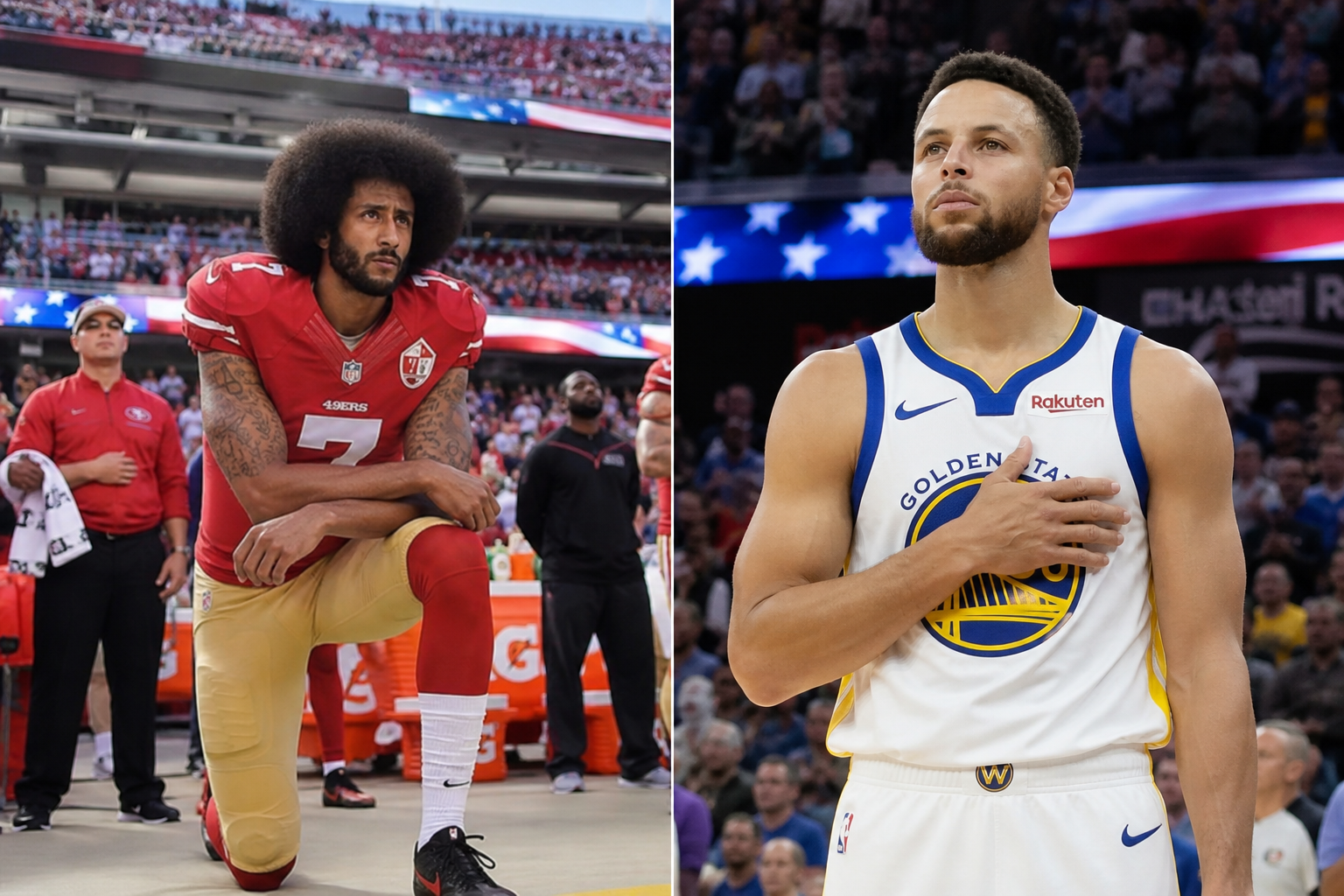
The turning point for many was 2016, when San Francisco 49ers quarterback Colin Kaepernick began kneeling during the national anthem. He claimed his protest was against police brutality and racial injustice, but for millions of Americans, it was a profound sign of disrespect to the flag, the military, and the country that gave him the opportunity to earn a fortune playing a game. The media, however, crowned him a civil rights hero. Nike built an entire ad campaign around him with the slogan, “Believe in something. Even if it means sacrificing everything.”
The problem with that narrative is that many Americans, including a significant number of Black Americans, didn’t see it that way. We saw a country that, while not perfect, represents the greatest force for freedom and opportunity in world history. We saw a flag that our fathers, mothers, brothers, and sisters fought and died for. The protest didn't start a productive conversation; it drew a line in the sand and forced fans to pick a side. It alienated police officers, members of the military, and patriotic citizens who believe you can work to improve the country without disrespecting its most cherished symbols.
The NBA’s Glaring Hypocrisy on China
Perhaps no league has exposed the hypocrisy of modern athlete activism more than the NBA. Its biggest stars, most notably LeBron James, are quick to condemn perceived injustices in the United States. They speak out forcefully on domestic political issues and wear slogans on their jerseys. Yet, when it comes to the brutal, documented human rights abuses committed by the Chinese Communist Party, these same voices fall silent.
Why? Because the NBA has billions of dollars at stake in the Chinese market. When then-Houston Rockets General Manager Daryl Morey tweeted his support for pro-democracy protestors in Hong Kong in 2019, the backlash from China was swift and severe. Instead of standing on principle, the NBA and its stars quickly distanced themselves from Morey. LeBron James famously criticized Morey for being “misinformed or not really educated on the situation.”
This double standard is insulting to fans. It suggests that “social justice” is not a deeply held conviction but a marketing tool to be used when it’s safe and profitable. Americans are told their country is systemically flawed while a regime engaged in actual oppression gets a free pass for the sake of sneaker deals and broadcast rights.
The Courage to Stand Alone
While the media elevates progressive activists, it often ignores or attacks athletes who dare to think for themselves. These are the figures who truly display courage, as they risk their careers and endorsements by defying the dominant political narrative. One of the best examples is Jonathan Isaac, a forward for the Orlando Magic. In 2020, as the entire league knelt for the anthem and wore Black Lives Matter shirts, Isaac chose to stand, citing his Christian faith as the ultimate answer to society’s problems.
“Kneeling while wearing a Black Lives Matter T-shirt don’t go hand-in-hand with supporting Black lives,” he explained, arguing that true change comes from turning to faith and addressing the brokenness in people’s hearts, not through divisive political movements. Isaac was an outcast for his decision, but he stood firm, later writing a book titled Why I Stand. He represents a powerful counter-narrative: a thoughtful, faith-filled Black man who rejects the simplistic, secular solutions offered by the progressive left.
Similarly, former ESPN anchor Sage Steele faced immense backlash for questioning vaccine mandates and Barack Obama’s decision to identify as Black on the census. She was ultimately pushed out of the network for expressing mainstream conservative views. Her story serves as a warning to anyone in the sports world who steps out of ideological line.
It's Time to Stick to Sports
The message from a growing chorus of fans is simple: we are exhausted. We don't watch football to be lectured about critical race theory. We don’t watch basketball to be reminded of political divisions. We watch for the love of the game, for the incredible displays of talent, and for the unifying power of competition.
Leagues like the NFL and NBA have a choice to make. They can continue to cater to a loud, progressive minority and watch their ratings and cultural relevance decline, or they can return to the principles that made them great. By embracing patriotism, celebrating individual achievement, and making the game the main event, they can once again become a place that brings Americans together. Until then, more and more fans will continue to vote with their remote controls.