
The Beginning of the End for Racial Preferences
For decades, the progressive left has operated under the assumption that the only way to remedy past discrimination is with present discrimination. This flawed logic gave rise to affirmative action and its modern successor, Diversity, Equity, and Inclusion (DEI). However, the ground is shifting beneath our feet. The Supreme Court’s landmark 2023 decision in Students for Fair Admissions v. Harvard, which effectively ended race-based affirmative action in college admissions, was more than just a legal ruling; it was a cultural turning point. It signaled a return to the foundational American principle that individuals should be judged on their character and merit, not the color of their skin.
This decision was a victory for every American who believes in equal opportunity. For too long, affirmative action policies created a system of racial preferences that punished qualified Asian American and white students while often stigmatizing the very Black and Hispanic students they were intended to help. As conservatives have long argued, you cannot achieve a colorblind society by obsessively sorting everyone by race.
The Wisdom of Black Conservative Voices
While the mainstream media often pretends that Black Americans think as a monolith, some of the most powerful and articulate critics of affirmative action have always been Black conservatives. These are the voices the left has tried to silence for years, because they expose the intellectual bankruptcy of identity politics.
No one has been more profound on this issue than Justice Clarence Thomas. In his powerful concurring opinion in the Harvard case, he wrote that affirmative action policies “fly in the face of our colorblind Constitution and our Nation’s equality ideal.” He argued from personal experience that these policies stamp minorities with a “badge of inferiority,” creating a cloud of suspicion that they did not earn their place on their own merit. “The Law School’s fixation on race is a stubborn refusal to accept the fact that human beings are spiritual beings who are way more than the color of their skin,” he wrote, dismantling the entire premise of the progressive racial worldview.
Economist and scholar Dr. Thomas Sowell has spent a lifetime documenting the failures of affirmative action programs around the world. In his book Affirmative Action Around the World: An Empirical Study, Sowell demonstrates how these policies consistently fail to help the most disadvantaged groups and instead benefit those who are already more advantaged within a minority group, all while creating social friction and resentment. The data shows that these programs don't work. They are a political solution to a problem that requires cultural and economic solutions.
DEI: The Corporate Rebranding of a Failed Idea
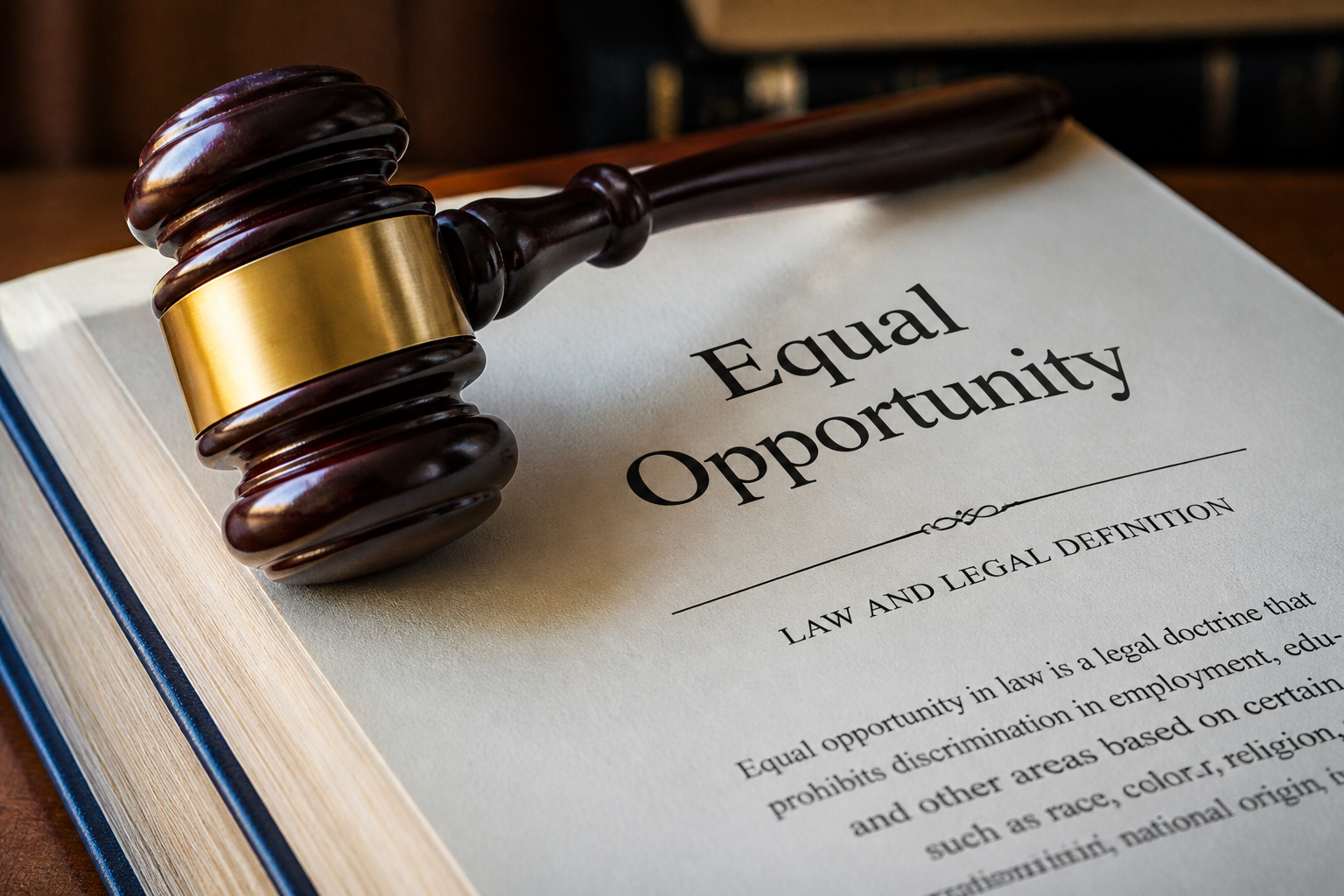
After the Supreme Court's ruling, many corporations and institutions didn't abandon their race-based policies; they simply disguised them under the friendly-sounding acronym of DEI. But Diversity, Equity, and Inclusion initiatives are often just affirmative action by another name. They prioritize group identity over individual talent, promote the divisive concepts of critical race theory, and demand equal outcomes instead of ensuring equal opportunity.
This has led to absurd and discriminatory practices. We’ve seen major corporations implement race-based hiring quotas, offer fellowships that exclude certain races, and promote managers based on their demographic profile rather than their performance. This isn’t just wrong; it’s also increasingly illegal. Conservative legal groups are now challenging these corporate DEI programs in court, arguing that they violate the Civil Rights Act of 1866, which prohibits racial discrimination in contracting. The backlash is growing as more Americans realize that DEI is not about fairness—it’s about enforcing a radical political ideology.
The Path Forward: School Choice, Entrepreneurship, and Personal Responsibility
So, what is the alternative? The conservative vision for Black America is not based on government-mandated racial preferences but on empowerment and genuine opportunity. Instead of lowering standards, we should be focused on giving every child access to a high-quality education.
This is why school choice is the civil rights issue of our time. When parents, not bureaucrats, can choose the best school for their child, it introduces competition and raises standards for everyone. Figures like Dr. Ben Carson have consistently championed educational freedom as a key to unlocking human potential. A great education is far more valuable than a spot at an Ivy League school that was granted to meet a quota.
Furthermore, we believe in fostering economic opportunity through low taxes, reduced regulation, and support for entrepreneurship. Black-owned businesses are a powerful engine for community growth and wealth creation. A thriving economy that rewards hard work and innovation will do more to close wealth gaps than any DEI program ever could.
Ultimately, the debate over affirmative action and DEI is a debate about two competing visions for America. One sees a nation forever divided by race, where group identity is paramount and government must constantly manage racial outcomes. The other, the conservative vision, sees one nation of individuals, created equal with the right to pursue their dreams and be judged on their own merits. The tide is turning toward the latter, and it's a future that promises true equality for all.